


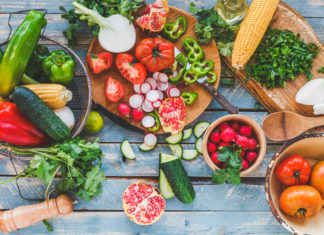
Create a DIY Diet This New Year
This year you have committed to eating better and dieting. But what does that actually entail? With all the nutrition recommendations right at your fingertips, how does...
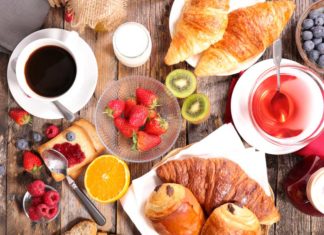
6 Reasons Why You Should Never Skip Breakfast
Why You Should Eat Breakfast
1. Lessens Hunger
For those who have skipped breakfast and start feeling those hunger pangs mid-morning… You already know one of the benefits of...

10 Simple Ways to Wake Up Without Coffee
Coffee is apart of more than a third of the U.S. population’s morning routine, as 31 percent of Americans make coffee the first part of their morning....
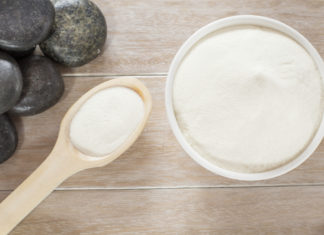
Will Collagen Supplements Really Make You Healthier?
Collagen is the most abundant protein in the body and found within in an array of tissues, including skin as the majority, muscles, tendons, ligaments, blood vessels,...
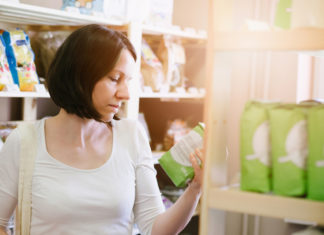
How to Read Food Labels for Healthy Eating
How to A Read Food Label for Healthy Eating
When it comes to reading food labels, the common eye tends to gravitate towards the calorie content. Yes, calories...
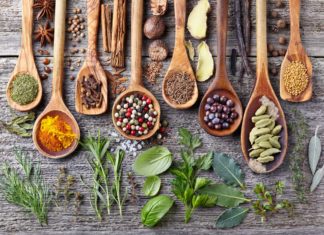
22 Different Spices and Herbs and How to Use Them
Seasonings are packed with nutrients and offer great health benefits, as most were previously and continue to be used in alternative medicine. From allspice to turmeric, discover...
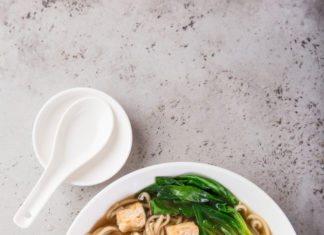
How Savory Food Can Help Promote Healthy Eating
Savor the Flavor for Healthier Eating
A report from the Beth Israel Deaconess Medical Center proposes savory foods may promote healthy eating through effects on the brain. The...

Stress and Anxiety Sabotage Personal Wellness
Personal health and wellness is impacted by much than diet and exercise and can even be affected by something we often face day-in and day-out: Stress.
In fact,...
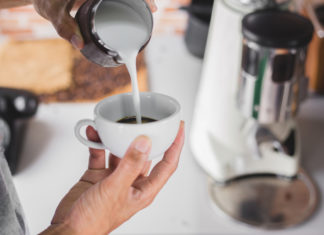
12 Dairy-Free Coffee Creamers You Must Try
12 Non-Dairy Creamers to Try
1. Coffee-Mate®
With Coffee-mate® a reputable and trusted name in coffee, of course it extends its products to those needing a non-dairy creamer! Under...

Healthy Campfire Desserts On a Stick, in Foil & S’more!
Easy campfire desserts and healthy campfire treats are the best of both worlds. It’s a place where eating on the road and campfire desserts in...